Sacred Fire Ceremony
Dual-Voice
Agnihotra Mantra Lyrics (Full) with Meaning in Hindi & English
Explore the full lyrics of Agnihotra Mantra with Hindi and English meaning. Listen to the audio and understand every line for easy devotion and daily chanting.
Agnihotra
Fire Ceremony
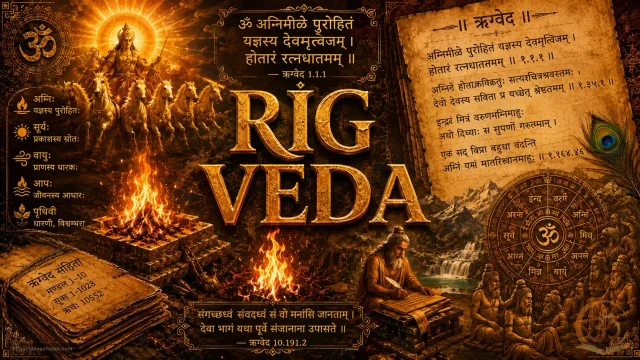
Rig Veda
Environmental Healing
Agni Mantra
ॐ
हिन्दी सारांश
अग्निहोत्र मंत्र वैदिक काल की सबसे पावन अग्नि अनुष्ठान प्रक्रिया है। यह मंत्र अग्नि देवता और सूर्य देव को समर्पित करते हुए वायुमंडल की शुद्धता और पारिस्थितिकी तंत्र के संतुलन का आह्वान करता है। 'स्वाहा' का उच्चारण करते हुए गाय के घी की आहुति देने से वातावरण में नकारात्मक ऊर्जा का नाश होता है और सकारात्मक तरंगों का प्रसार होता है।
卐
English Summary
The Agnihotra Mantra is central to the ancient Vedic fire ceremony performed at sunrise and sunset. By offering clarified butter to Agni (Divine Fire) and Surya (Sun God) with 'Svaha' (sacred offering), this ritual purifies the atmosphere, balances ecological energies, and creates positive resonance in the environment. The pyramid-shaped fire creates beneficial effects for both individual and planetary healing.
Detailed Spiritual Essence
In हिन्दी & English
Detailed Spiritual Essence
OneSanatan.com के इस विशेष आध्यात्मिक विशद आलेख में आपका स्वागत है, जहाँ हम अग्निहोत्र मंत्र के पवित्र स्वरूप का अन्वेषण कर रहे हैं, जिसका प्रारंभ इन पावन पंक्तियों से होता है: अग्नये स्वाहा। सूर्याय स्वाहा। सूर्य एष स्वाहा। प्रजापतये स्वाहा। ॐ भूर्भुवः स्वाहा॥। सनातन परंपरा की प्राचीन वैदिक जड़ों से जुड़ा यह अनुष्ठानिक आह्वान अपनी मुख्य प्रामाणिक मान्यता ऋग्वेद तथा यजुर्वेद की उन संहिताओं से प्राप्त करता है जो गृह्य और श्रौत यज्ञों का विधान करती हैं। ऐतिहासिक दृष्टि से, अग्निहोत्र सनातन धर्म के सबसे आदिकालिक और सुलभ अग्नि अनुष्ठानों में से एक माना जाता है, जिसे सदियों से वैदिक ऋषियों और गृहस्वामियों द्वारा मौखिक परंपरा के माध्यम से सुरक्षित रखा गया है। यद्यपि इसकी सटीक मानवीय रचना के विषय में परंपरा इसे द्रष्टा ऋषियों से जोड़ती है, तथापि शास्त्रीय अध्ययन इसे प्रारंभिक वैदिक काल की शाश्वत वाणी के रूप में देखता है जो मानव चेतना को ब्रह्मांडीय व्यवस्था से जोड़ती है।
साहित्यिक दृष्टि से, ये मंत्र वैदिक छंदों—मुख्य रूप से त्रिष्टुप और गायत्री के विविध रूपों—में रक्षित हैं और संस्कृत भाषा की प्राचीन संरचना पर आधारित हैं। 'स्वाहा' शब्द यहाँ आहुति का प्रमुख बीज पद है, जिसके माध्यम से सूर्योदय और सूर्यास्त के सटीक समय पर तांबे के पिरामिडनुमा पात्र में शुद्ध गाय के घी, अक्षत और सूखे गोबर की आहुति समर्पित की जाती है। इसकी भाषाई संरचना अत्यंत संक्षिप्त किंतु अत्यंत प्रभावशाली है, जो अग्नि (दिव्य अग्नि), सूर्य (प्रकाश के देवता) और प्रजापति (सृष्टि के पालक) जैसे प्रधान देवताओं को समर्पित है, तथा न्यूनतम काव्य रूपों में भी गहन दार्शनिक भावों को समेटे हुए है।
पारंपरिक रूप से अग्निहोत्र का अनुष्ठान प्रतिदिन दो बार अत्यंत अनुशासन के साथ किया जाता है—एक निश्चित स्थानीय सूर्योदय के समय और दूसरा स्थानीय सूर्यास्त के समय। संक्रमण काल (संधि काल) के ये दोनों क्षण वातावरणीय और मानसिक परिवर्तनों के लिए अत्यधिक ऊर्जावान माने जाते हैं, जो मन और पर्यावरण में संतुलन स्थापित करने के लिए सर्वोत्तम हैं। यद्यपि दैनिक साधना इस अनुशासन का मूल आधार है, तथापि ऋतुओं के परिवर्तन, संक्रांति पर्वों तथा दीपावली या नवरात्रि जैसे विशेष पावन अवसरों पर इसका विशेष रूप से अनुष्ठान किया जाता है। पूजा पद्धति के अंतर्गत अग्निहोत्र आमतौर पर ध्यान साधना से पूर्व या साधक के आसपास के सूक्ष्म वातावरण को शुद्ध करने के लिए एक स्वतंत्र कर्म के रूप में संपन्न किया जाता है।
आध्यात्मिक दृष्टिकोण से, पारंपरिक आचार्यों द्वारा इसे केवल एक बाहरी अग्नि अनुष्ठान नहीं, बल्कि चेतना की आंतरिक शुद्धि का मार्ग माना जाता है। अग्नि में दी जाने वाली भौतिक आहुति अहंकार, मानसिक अशुद्धियों और सांसारिक आसक्तियों को सर्वोच्च दिव्य चेतना में समर्पित करने का प्रतीक है। शास्त्रीय वैदिक टीकाकारों के अनुसार, इस अनुष्ठान का नियमित अभ्यास सूक्ष्म शरीर को शुद्ध करता है, वातावरण की प्राण-ऊर्जा को पुनर्जीवित करता है, मानसिक स्पष्टता को बढ़ावा देता है तथा आंतरिक शांति एवं पारिस्थितिक संतुलन की गहरी भावना उत्पन्न करता है, जिससे व्यक्तिगत जीवन ब्रह्मांड के सहज स्पंदन के साथ जुड़ जाता है.
संपादकीय सत्यता और पाठ की शुद्धता के लिए, इन मंत्रों के सटीक स्वरूप और अनुष्ठानिक क्रम का मिलन गीता प्रेस, गोरखपुर द्वारा प्रकाशित वैदिक कर्मकांड ग्रंथों तथा वाराणसी के प्रामाणिक पारंपरिक ग्रंथों से किया गया है। ये प्रकाशन वैदिक मंत्रों की कंपन-शुद्धता को बनाए रखने के लिए आवश्यक पारंपरिक उच्चारण नियमों (शिक्षा) और स्वर-विधान की पुष्टि करते हैं। इस सावधानीपूर्वक संपादकीय देखरेख के माध्यम से OneSanatan.com यह सुनिश्चित करता है कि प्रत्येक साधक को पूर्णतः प्रामाणिक, आदरणीय और आध्यात्मिक रूप से उन्नत मार्गदर्शन प्राप्त हो सके।
संक्षेप में कहें तो, अग्निहोत्र मंत्र मानवता और प्रकृति का संचालन करने वाली दिव्य शक्तियों के बीच एक शाश्वत सेतु है। इन पवित्र मंत्रों का उच्चारण करते हुए पूर्ण समर्पण भाव से शुद्ध द्रव्यों की आहुति देकर, साधक ब्रह्मांडीय यज्ञ में प्रत्यक्ष सहभागी बनता है। यह एक साधारण दैनिकचर्या को एक गहरे ध्यानात्मक कृत्य में बदल देता है, जो हमें यह स्मरण कराता है कि बाहरी शुद्धि और आंतरिक जागरण वस्तुतः आध्यात्मिक मुक्ति की दिशा में एक ही यात्रा के दो पहलू हैं।
Welcome to OneSanatan.com as we explore the profound spiritual essence of the Agnihotra Mantra, beginning with the sacred offerings: अग्नये स्वाहा। सूर्याय स्वाहा। सूर्य एष स्वाha। प्रजापतये स्वाहा। ॐ भूर्भुवः स्वाहा॥. Rooted deeply in the ancient Vedic tradition, this ritual invocation draws its primary scriptural authority from the Rig Veda and the ancient Yajurvedic Samhitas that codify domestic and cosmic sacrifices. Historically, Agnihotra represents one of the most primordial and accessible fire rituals known to Sanatan Dharma, traditionally preserved through oral transmission by Vedic sages and householders alike over millennia. While specific human authorship is traditionally attributed to ancient seers (rishis) who heard the cosmic vibrations during deep meditation, scholarship generally views these mantras as timeless formulations of the early Vedic period, bridging human consciousness with cosmic order.
Literally, these verses are structured as ritual oblations composed in traditional Vedic metres, primarily Tristubh and Gayatri variants, operating within the classical Sanskrit linguistic framework. The term Swaha serves as the focal vocative and particle of offering, directing purified substances—typically unpolished rice, dried cow dung, and pure cow's ghee—into a consecrated copper pyramid fire at precise transitional times. The linguistic architecture relies on concise, potent vocatives directed to primary cosmic deities: Agni (the divine fire), Surya (the sun), and Prajapati (the lord of progeny and creation), encapsulating profound theological intent within minimalist poetic forms.
Traditionally, Agnihotra is performed twice daily without interruption: precisely at local sunrise and local sunset. These specific twilight junctions (sandhi kaala) are considered energetically potent moments when rapid atmospheric and psychological shifts occur, making them ideal for harmonizing the mind and environment. While daily practice forms the bedrock of this discipline, the ritual is frequently intensified during seasonal shifts (ayana), auspicious solstices, and specific homas performed during festive observances like Diwali or Navaratri. Within a broader puja sequence, Agnihotra typically precedes deep meditation or serves as a standalone purification rite to clear subtle energetic blockages in the practitioner's immediate environment.
From a spiritual perspective, the practice is understood by traditional Acharyas not merely as an external fire ritual, but as an internal alchemy of consciousness. The physical offering into the fire symbolizes the surrender of the ego, mental impurities, and worldly attachments into the supreme fire of divine awareness. According to classical Vedic commentators and traditional wisdom, regular performance purifies the subtle body, revitalizes the prana in the atmosphere, promotes mental clarity, and cultivates a deep sense of inner peace and ecological harmony, aligning individual existence with the rhythmic pulse of the cosmos.
For editorial verification and textual accuracy, the exact wording and ritual sequence of these mantras have been cross-referenced with standard Vedic ritual manuals and classical editions published by Gita Press, Gorakhpur, and recognized traditional scholarly texts from Varanasi. These publications confirm the traditional pronunciation rules (shiksha) and accentuation patterns essential for maintaining the vibrational integrity of the Vedic verses. Through this careful editorial oversight, OneSanatan.com ensures that every seeker receives authentic, reverent, and spiritually uplifting guidance.
In summary, the Agnihotra Mantra stands as a timeless bridge between humanity and the divine forces governing nature. By chanting these sacred verses and offering pure substances with the mindset of utter surrender, the practitioner actively participates in the eternal cosmic sacrifice (yajna). It transforms a simple daily routine into a profound meditative act, reminding us that external purification and internal awakening are ultimately one and the same journey toward spiritual liberation.
Divine Chanting
Agnihotra Mantra - AI Voice
Sacred AI Recitation
Premium Devotional Experience
ॐ
Sacred Script
सूर्य एष स्वाहा।
प्रजापतये स्वाहा।
ॐ भूर्भुवः स्वाहा॥
Spiritual Guidance
What is the origin and who is the composer of the Agnihotra Mantra featured on OneSanatan.com?
The core Agnihotra mantras originate from ancient Vedic texts, specifically the Rig Veda and Yajur Veda. They were revealed to ancient sages (rishis) through divine meditation and serve as foundational invocations to cosmic deities like Agni and Prajapati. These sacred verses have been preserved orally for millennia before being transcribed into classical Sanskrit scriptures.
When is the best time to recite the Agnihotra Mantra for maximum spiritual impact?
The optimal times for performing Agnihotra and reciting its mantras are precisely at local sunrise and sunset. These transitional twilight periods, known as Sandhi Kala, experience significant shifts in atmospheric energy and subtle biorhythms. Aligning your practice with these exact moments helps harmonize the mind with natural cosmic cycles.
What is the primary spiritual benefit of the Agnihotra Mantra, and which classical text supports this?
The primary spiritual benefit of Agnihotra is the purification of the mind and environment, fostering deep inner peace and heightened meditative awareness. Classical texts such as the Shatapatha Brahmana emphasize that this ritual act serves as a bridge between the individual soul and cosmic consciousness. Consistent practice is believed to dissolve negative karma and elevate the practitioner's spiritual frequency.
How can beginners properly approach chanting the Agnihotra Mantra if they are new to Sanskrit?
Beginners should start by listening to traditional audio recordings to grasp the correct pronunciation, pitch, and syllable intonation. Reading the provided Hindi and English translations on OneSanatan.com helps internalize the profound meaning behind each Sanskrit word. Practicing with a humble and focused mindset is far more important initially than achieving flawless vocal delivery.
Are there regional variations in how the Agnihotra Mantra is chanted across India?
While the core Vedic verses remain universally standardized across orthodox traditions, minor regional accents and tonal variations exist. These stylistic differences stem from diverse Vedic recitation schools, such as the Shakha traditions of different geographical regions. However, the spiritual potency and structural integrity of the mantra remain entirely consistent regardless of these localized vocal nuances.
Explore More Divine Text
Related Prayers
2 Voices
shuddhikaran mantra lyrics
Shuddhikaran Mantra Lyrics with Hindi & English Meaning – शुद्धिकरण मंत्र, Purity, Protection & Benefits
2 Voices
swasti na indro mantra lyrics
Swasti Na Indro Mantra Lyrics (ॐ स्वस्ति न इन्द्रो) – Meaning, Translation & Benefits
2 Voices
bhojan mantra lyrics
Bhojan Mantra (Brahmarpanam) Lyrics with Hindi & English Meaning – भोजन मंत्र, Gratitude & Mindful Eating
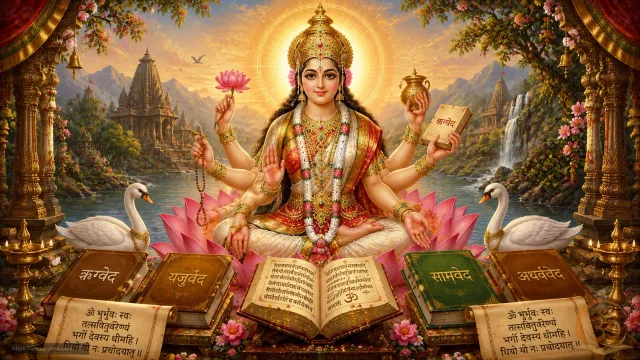
2 Voices
gayatri mantra lyrics
Gayatri Mantra Lyrics (ॐ भूर्भुवः स्वः) in Sanskrit, Hindi & English Meaning with Benefits
🕉️
शास्त्र-सम्मत • Shastric Verification
Drik Ganit Ephemeris Review
Classical Text Collation
OneSanatan Vidvat Parishad & Shastra Editorial Council (विद्वत् परिषद्)
Curated and cross-verified by traditional Sanskrit acharyas, Drik Ganit astronomical researchers, and Puranic editors. Every stotra, shloka, and festival calculation is reviewed against canonical classical editions — including Gita Press and Chaukhamba Sanskrit Sansthan — to safeguard textual fidelity, metric rhythm (Chhandas), and spiritual authenticity.