Performing Hindu Pujas in Apartments: Smoke Alarms, Tenancy Leases & Reverent Havan Alternatives
अपार्टमेंट में पूजा, धुआं अलार्म और सुरक्षित हवन के विकल्प
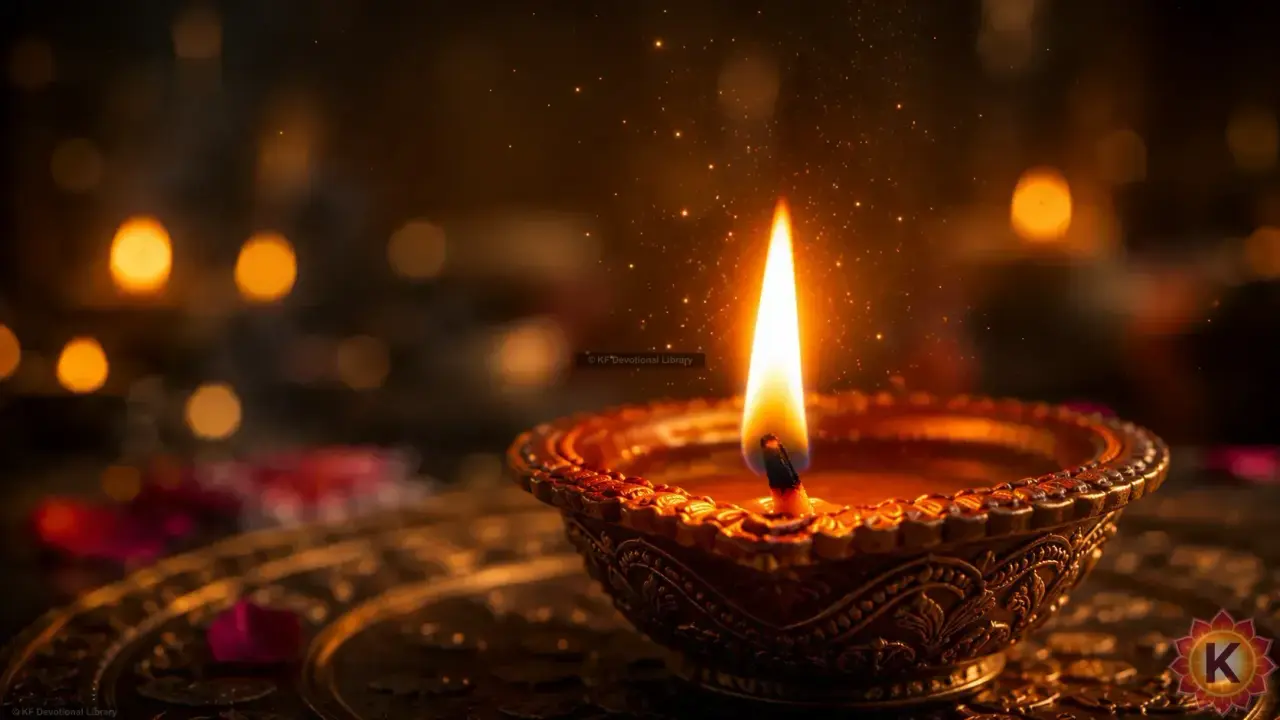
Living in modern rental apartments or high-rise condos across the USA, UK, Canada, or Australia involves hardwired smoke detectors, sensitive fire codes, and strict tenancy agreements. This guide provides actionable engineering, fire safety, and scriptural insights to honor Sanatan rituals peacefully without risking false alarms, heavy emergency call-out fines, or tenancy eviction.
अमेरिका, ब्रिटेन, कनाडा और ऑस्ट्रेलिया के आधुनिक अपार्टमेंट्स में हार्डवायर्ड स्मोक अलार्म, फायर कोड और किराए के कड़े नियम लागू होते हैं। हवन के धुएं या दीये की लौ से बिल्डिंग का अलार्म बजने का खतरा रहता है। यह लेख आपको बिना किसी नियम उल्लंघन के, शास्त्रसम्मत विकल्पों (संकल्प हवन, मानस पूजा) के साथ भक्तिमय और सुरक्षित पूजा संपन्न करने के व्यावहारिक उपाय बताता है।
At A Glance Quick Facts
- Never cover, dismantle, or tape over a smoke detector; doing so is illegal under NFPA (US), British Standards (UK), and Australian building codes, invalidating renter's insurance.
- Ionization detectors trigger immediately on dense dhoop or havan smoke particles; use indirect ventilation and low-smoke natural agarbatti.
- Vedic tradition fully endorses 'Sankalpa Havan' (symbolic offering of ahutis without open fire) and 'Manasa Yajna' when environmental constraints prevent an open fire.
- Always place burning brass or clay diyas inside wide brass thalis lined with a ceramic tile, away from window curtains, vents, and wooden shelving.
1. Understanding Modern Smoke Detectors: Physics vs Puja Smoke
1. स्मोक डिटेक्टर का विज्ञान: पूजा के धुएं से अलार्म क्यों बजता है?
To prevent accidental fire alarms, it helps to understand how modern apartment sensors function. Most residential units in the US, UK, Canada, and Australia feature two types of sensors:
-
Ionization Detectors: Highly sensitive to tiny, invisible smoke particles produced by rapid flame combustions, burning camphor, or havan wood. They trigger almost instantly when smoke concentrates near ceilings.
-
Photoelectric (Optical) Detectors: Utilize an internal light beam. When smoke from smoldering dhoop, thick agarbatti, or oil wick smuts enters the chamber, it scatters the light beam onto a sensor, sounding the alarm.
In many modern multi-family complexes, the smoke detector in your corridor or hallway is hardwired directly to the building's central fire alarm control panel (FACP). If tripped, it can automatically trigger the entire building evacuation siren and dispatch the municipal fire department — incurring false alarm penalties ranging from $500 to over $2,500.
Strict Legal Warning: Do Not Tamper With Detectors
Putting plastic bags, shower caps, or tape over smoke detectors is classified as tampering with life-safety equipment under US NFPA 72, the UK Regulatory Reform (Fire Safety) Order 2005, and Australia's AS 1851. If a real fire occurs, insurance claims will be rejected, and tenants face immediate lease termination and criminal liability.
2. Scriptural & Practical Havan Alternatives for Apartments
2. फ्लैट और अपार्टमेंट के लिए शास्त्रसम्मत हवन के विकल्प
A fire sacrifice (Homa / Havan) is traditionally performed during Griha Pravesh, Satyanarayan Puja, and major rites. However, lighting a full wood and ghee fire inside a sealed apartment is hazardous. Classical Hindu theology offers four respectful, verified alternatives:
Alternative A: Temple Havan + Sacred Ash (Bhasma) Transfer (सर्वश्रेष्ठ विकल्प)
Book a havan slot at your local community temple. The family participates in the full fire ritual led by a priest in an authorized, commercially ventilated temple hall. After Purnahuti, collect the sanctified Bhasma (holy ash) and a vessel of Kalash water. Bring them to your apartment, sprinkle the water through every room while chanting the Gayatri Mantra, and apply the Bhasma to family members.
Alternative B: The Dry Sankalpa Havan (संकल्प हवन)
Place a clean copper Havan Kund on your altar table. Recite all the traditional mantras (Ganapati, Navagraha, and Ishta Devata Ahutis). Instead of lighting wood, offer raw unbroken rice (Akshata), ghee-touched sesame seeds, and flower petals into the dry kund with heartfelt Svāhā recitations. In Sanatan Shastra, the mental resolution (Sankalpa) and mantra vibration constitute the core energy of the sacrifice.
Alternative C: The Micro-Camphor Agnihotra
If permitted by your tenancy lease and building rules, use a miniature copper diya or tiny havan bowl with a single pea-sized tablet of 100% pure Bhimseni camphor (which burns cleanly without residual soot). Keep it directly beneath a high-speed kitchen range exhaust hood vented to the outdoors.
Alternative D: Manasa Yajna (मानस यज्ञ — Mental Sacrifice)
The Bhagavata Purana and Shiva Purana explicitly glorify Manasa Puja as superior even to physical offerings, because mental devotion cannot be adulterated by external defects. Visualize the golden Agni Deva within your heart and offer every holy substance with focused meditation.
What Shastras Say on Inward Sacrifice
'अन्तर्यागः सदा कार्यो बहिर्यागः प्रकीर्तितः' — Inward contemplation and mental sacrifice are universally pure, eternal, and free from material impediments.
3. The Safe Diya (Deepam) Protocol in Rented Accommodation
3. किराए के मकान में दीपक प्रज्वलन के सुरक्षा नियम
A flickering diya brings divine light (Jyoti) to the home. Follow these practical precautions to avoid scorching furniture or triggering alarms:
-
Thermal Barrier Base: Never place a metal or clay diya directly on a wooden table, laminated shelf, or cotton tablecloth. Place it inside a broad brass or stainless steel tray (Thali), elevated on an unglazed ceramic tile or heat-resistant stone slab.
-
Distance from Soft Furnishings: Maintain a minimum 3-foot (1-meter) clearance from sheer curtains, blinds, hanging paper torans, wall tapestries, and ceiling fans.
-
Use Pure Cow Ghee or Sesame Oil: Cheap paraffin-based oils or scented candles emit high concentrations of black carbon soot that blackens ceiling drywall and triggers optical smoke sensors.
-
Glass Chimneys / Hurricane Lamps: Use an Akhand Jyoti lamp enclosed in a cylindrical heat-resistant borosilicate glass chimney (Deepak Glass). This shields the flame from drafts and prevents curious pets or toddlers from touching it.
-
Battery-Operated Brass LED Diyas: When leaving the home for work or sleeping at night, never leave an open oil diya burning. High-end brass LED lamps provide the sacred golden glow with zero fire risk.
4. Managing Incense (Dhoop/Agarbatti) & Neighborly Etiquette
4. अगरबत्ती, धूप और पड़ोसियों के प्रति शिष्टाचार
In multi-unit apartment complexes, smells and smoke travel through shared ventilation shafts, hallways, and under door frames.
-
Door Draft Stoppers: Place a fabric draft stopper or silicone seal at the bottom of your front entry door during prayer. This keeps holy fragrance inside your living room and prevents smoke from drifting into common stairwells where sensitive corridor alarms are installed.
-
Choose Low-Smoke Charcoal-Free Incense: Avoid cheap black-charcoal incense coated with synthetic nitro-musks. Instead, choose organic dhoop sticks made from dried flower petals, real sandalwood powder, and essential oils that burn with minimal particulate smoke.
-
Ventilation Routine: Crack open two opposite windows to establish a gentle cross-draft before lighting dhoop, directing air outdoors rather than upward toward ceiling detectors.
Performing Hindu Pujas in Apartments: Smoke Alarms, Tenancy Leases & Reverent Havan Alternatives
Apartment Puja & Fire Safety Verification Checklist • Verified Shastric Checklist
Apartment Puja & Fire Safety Verification Checklist
Complete these safety checks before beginning your ceremony
Altar & Heat Protection Setup
Smoke Alarm & Ventilation Protocol
Emergency Preparedness
Expert Answers & FAQs
Related Diaspora Guides
The Diaspora Puja Samagri Guide: Sourcing, Authentic Substitutions & Customs Laws in the US, UK, Canada & Australia
How to source traditional puja materials abroad, legitimate scriptural substitutions for rare leaves and flowers, and essential biosecurity import rules.
Finding, Vetting, and Booking a Hindu Priest Abroad: Transparent Dakshina, Questions to Ask & Sampradaya Alignment
A respectful, transparent guide to engaging a temple or freelance pandit abroad: clarifying responsibilities, language, regional traditions, and dakshina norms.
Preserving Regional Hindu Rituals in the Diaspora: Harmonizing North, South, Bengali & Western Traditions
Exploring regional nuances in puja vidhi, calendar conventions, deity alankaram, and how diaspora families harmoniously pass diverse traditions to the next generation.