Sacred Soma Mantra
Dual-Voice
Pavamana Mantra Lyrics (Full) with Meaning in Hindi & English for Inner Cleansing
Explore the full lyrics of Pavamana Mantra with Hindi and English meaning. Listen to the audio and understand every line for easy devotion and daily chanting.
Pavamana
Soma Mantra
Purification Prayer
Rig Veda
Sacred Nectar
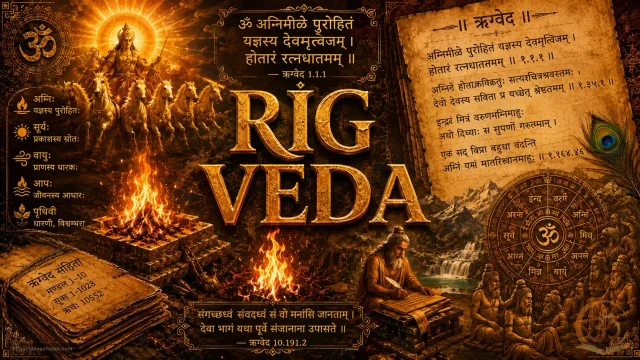
ॐ
हिन्दी सारांश
पवमान मंत्र सोम की पवित्रता का गुणगान करता है। 'पवमान' का अर्थ है निरंतर पावन करने वाला। यह मंत्र सोम (दिव्य अमृत) से प्रार्थना करता है कि वह अपनी पवित्र धारा से हमारी चेतना को शुद्ध करे और महान श्रवस् (कीर्ति/ज्ञान) प्रदान करे। यह आंतरिक शुद्धिकरण और आध्यात्मिक उत्थान का मंत्र है।
卐
English Summary
The Pavamana Mantra honors Soma as the eternal purifier (pavamana) whose sacred stream cleanses all impurities from consciousness. This invocation to the divine nectar seeks the flow of spiritual wisdom (mahi shrava) through purification, representing the alchemical transformation of ordinary awareness into divine consciousness.
Detailed Spiritual Essence
In हिन्दी & English
Detailed Spiritual Essence
पवमानस्य ते कवे सुशेव सोम धारया। महि श्रवः पुनाना॥ जब हम पवमान मन्त्र की अगाध और सूक्ष्म ऊर्जा में प्रवेश करते हैं, तो हम ऋग्वेद की सबसे पावन धाराओं से जुड़ जाते हैं। यह पवित्र स्तोत्र ऋग्वेद के नवम मण्डल से संबंधित है, जिसे प्राचीन वैदिक काल के विभिन्न ऋषियों द्वारा दृष्ट माना गया है और यह सनातन धर्म की मौखिक परंपराओं में गहराई से निहित है। सहस्राब्दियों से सुरक्षित यह ग्रंथ हमें उस आदिम वैदिक काव्य की याद दिलाता है, जहाँ सोम पवमान—अर्थात प्रवाहित होने वाले और चेतना को निर्मल करने वाले दिव्य अमृत—से साधक के अंतःकरण को शुद्ध करने की प्रार्थना की जाती है।
साहित्यिक और संरचनात्मक दृष्टि से, यह मूल संस्कृत मन्त्र विशिष्ट वैदिक छंदों जैसे गायत्री या त्रिष्टुप में रद्ध है, जो वैदिक ऋषियों की उत्कृष्ट काव्य-प्रतिभा को दर्शाता है। इसकी भाषा प्राचीन वैदिक संस्कृत है, जिसमें शब्दों के गहरे और बहुआयामी अर्थ निहित हैं। यहाँ पवमान शब्द उस शक्ति का प्रतीक है जो स्वयं पवित्र रहते हुए दूसरों को भी पावन बनाती है। यह छंदबद्ध लय साधक की श्वास-प्रश्वास को नियंत्रित करती है, जिससे मन्त्र का उच्चारण एक प्राकृतिक ध्यान बन जाता है और मन ब्रह्मांडीय आवृत्तियों के साथ सहज ही एकाग्र हो जाता है।
पारंपरिक साधना पद्धति में, पवमान मन्त्र का पाठ पवित्र अनुष्ठानों, यज्ञों और दैनिक ध्यान के समय किया जाता है। यद्यपि इसे मानसिक स्पष्टता प्राप्त करने के लिए किसी भी समय जपा जा सकता है, तथापि प्रातःकालीन संध्यावंदना, शुद्धि संस्कारों और सोमवती अमावस्या या पर्व विशेष के अवसरों पर इसका विशेष महत्व माना गया है। पारंपरिक पूजा क्रम में, इस मन्त्र का प्रयोग आचमन या पवित्रीकरण के चरण में किया जाता है, जहाँ जल को अभिमंत्रित कर उसे शरीर और मण्डप पर छिड़का जाता है ताकि आंतरिक और बाहरी दोनों स्तरों पर शुचिता स्थापित हो सके।
इस मन्त्र का आध्यात्मिक महत्व परम आंतरिक शुद्धि और अज्ञान के निवारण से जुड़ा हुआ है। पारंपरिक टीकाकारों और आचार्यों के वचनों के अनुसार, सोम का यह प्रवाह divine grace (दिव्य कृपा) का प्रतीक है जो अहंकार, वासनाओं और कर्म-बंधनों के मैल को धो डालता है। इसके पारंपरिक रूप से माने जाने वाले लाभों में उच्च बुद्धि (धी) की जागृति, मानसिक स्थिरता और अपनी अमर तथा प्रकाशमय प्रकृति का बोध शामिल है। इस मन्त्र के माध्यम से साधक अपने भीतर बैठे द्रष्टा—कवि—से प्रार्थना करता है कि वह सभी नकारात्मकताओं को छानकर जीवन में सत्य और प्रकाश को स्थापित करे।
पाठ की प्रामाणिकता सुनिश्चित करने के लिए, इस सूक्त के मन्त्रों और उनके स्वरों का मिलान ऋग्वेद के प्रामाणिक संस्करणों से किया गया है, जिसमें गीता प्रेस और चौखम्भा संस्कृत संस्थान के प्रतिष्ठित ग्रंथों का संदर्भ लिया गया है। ये आधारभूत ग्रंथ वैदिक स्वरों और पाठ की शुद्धता को बिना किसी विकृति के सुरक्षित रखते हैं, जिससे मन्त्र की वास्तविक ऊर्जा अक्षुण्ण बनी रहती है। OneSanatan.com का संपादकीय प्रयास यह सुनिश्चित करता है कि ये पारंपरिक और ग्रंथीय तथ्य पाठकों तक पूरी प्रमाणिकि के साथ पहुँचें।
संक्षेप में, पवमान मन्त्र मानवीय आकांक्षा और ब्रह्मांडीय पवित्रता के बीच एक शाश्वत सेतु का कार्य करता है। इसकी आध्यात्मिक व्याख्या केवल कर्मकाण्डीय पाठ से परे है, जो साधक को दिव्यता का पात्र बनने के लिए प्रेरित करती है। उस पवित्र अमृत की प्रवाहित धारा का ध्यान करते हुए, मनुष्य अपने अंतस के विकारों को त्यागकर चित्त को पुनर्नवीनीकरण और निर्मल करना सीखता है। यह पवित्र मन्त्र शांति, सत्य और आध्यात्मिक मुक्ति की ओर ले जाने वाली अंतर्यात्रा का एक अत्यंत महत्वपूर्ण संबल है।
पवमानस्य ते कवे सुशेव सोम धारया। महि श्रवः पुनाना॥ As we immerse ourselves in the profound vibrations of the Pavamana Mantra, we enter one of the most sublime streams of the Rig Veda. This sacred invocation belongs to the ninth mandala, traditionally attributed to various rishis of the ancient Vedic period, deeply rooted in the oral traditions of Sanatan Dharma. Preserved meticulously across millennia, this scriptural source represents the pinnacle of early Vedic poetry, wherein the deity Soma Pavamana—the flowing, clarifying nectar of spiritual illumination—is invoked to purify the seeker's consciousness and elevate the soul toward divine realization.
From a literary and structural perspective, this original Sanskrit text is composed in precise Vedic metres, primarily Gayatri or Tristubh depending on the specific verses, reflecting the highly sophisticated poetic mastery of Vedic rishis. The language is classical Vedic Sanskrit, rich in polysemic resonance where terms like Pavamana signify that which purifies itself while simultaneously cleansing everything it touches. The Chhandas governs the cadence of the breath, turning the recitation into a meditative pranayama that naturally synchronizes the mind with cosmic rhythms, transforming linguistic utterance into a direct experience of inner resonance.
In traditional practice, the Pavamana Mantra is recited during sacred rituals, fire sacrifices (Yajnas), and daily contemplative disciplines. While it can be chanted at any time to restore mental clarity, it holds particular prominence during morning Sandhyavandanam, purification rites, and major spiritual observances like Somvati Amavasya or solar and lunar eclipses. Within the standard puja sequence, this mantra is integrated during the Achamana or ceremonial purification phase, where water is sanctified and sprinkled to purify both the physical space and the inner subtle body before deeper meditative engagement begins.
The spiritual significance of this mantra centers on ultimate inner cleansing and the transcendence of ignorance. As explained by traditional commentators and echoed in the teachings of great Acharyas, the flow of Soma represents the descent of divine grace that washes away the impurities of the ego, desires, and karmic entanglements. Traditionally understood benefits include the awakening of higher intellect (dhi), mental steadiness, and the realization of one's immortal, luminous nature. Through this chanting, the devotee petitions the inner sage, the Kavi, to filter out all negativity and reveal the pristine truth of existence.
For textual authenticity, the specific verses and accentuation of this hymn have been cross-verified with standard critical editions of the Rig Veda, including authoritative publications from Gita Press and Chaukhamba Sanskrit Series Office. These foundational texts ensure that the Vedic accents (swara) and textual integrity are preserved without alteration, maintaining the sacred potency required for authentic practice. Editorial oversight at OneSanatan.com ensures that these traditional nuances are presented accurately for contemporary spiritual seekers worldwide.
In summary, the Pavamana Mantra serves as a timeless bridge between human aspiration and cosmic purity. Its spiritual interpretation transcends mere ritualistic chanting, inviting the seeker to become a vessel of divine clarity. By meditating upon the flowing stream of the sacred nectar, one learns to surrender internal turbulence, allowing the universal consciousness to filter and renew the mind. This sacred text remains an essential companion on the inward journey toward peace, truth, and spiritual liberation.
Divine Chanting
Pavamana Mantra - AI Voice
Sacred AI Recitation
Premium Devotional Experience
ॐ
Sacred Script
सुशेव सोम धारया।
महि श्रवः पुनाना॥
Spiritual Guidance
What is the origin of the Pavamana Mantra and who composed it?
The Pavamana Mantra originates from the ancient Rig Veda, specifically found in Mandala 9, Hymn 83, Verse 85. It was envisioned and composed by the revered sage (Rishi) Pavamana, which refers to the purifying aspect of Soma. In the Vedic tradition, Soma represents the divine nectar of spiritual awakening and inner vitality, invoked to cleanse both mind and body.
What is the best time of day to recite the Pavamana Mantra?
The most auspicious time to recite the Pavamana Mantra is during the Brahma Muhurta, which is approximately 90 minutes before sunrise. This quiet pre-dawn window offers a tranquil atmosphere naturally conducive to meditation and inner focus. However, because it is a mantra dedicated to purification, you can also chant it anytime you feel mentally cluttered or before beginning your daily spiritual practice.
What are the primary spiritual benefits of this mantra according to classical sources?
Classically, the Pavamana Mantra acts as a profound vehicle for inner cleansing, guiding the seeker from illusion and mortality toward ultimate truth and immortality. According to Upanishadic and Vedic commentaries, chanting it dissolves ignorance (Avidya) and purifies the subtle body's energy channels. It serves as an ultimate surrender of the ego, invoking divine grace to transition from darkness to inner light.
How should beginners approach learning and chanting the Pavamana Mantra?
Beginners should start by listening to traditional audio recordings to grasp the correct Vedic pronunciation and rhythm. It is best to sit comfortably with a straight spine in a quiet space, setting a peaceful intention for inner purity. You can begin by chanting it 11 or 21 times daily, focusing deeply on the meaning of each line in Hindi or English rather than rushing through the repetition.
Are there any regional variations in how the Pavamana Mantra is recited or chanted?
While the core Sanskrit lyrics remain universally standard across traditions, the musical cadence and intonation can vary slightly depending on the reciter's lineage and regional Vedic school. Some traditions emphasize strict Vedic pitch accents (Swaras), while others chant it in a more fluid, meditative kirtan style. Despite these stylistic differences in delivery, the transformative spiritual meaning and vibrational potency remain entirely consistent.
Explore More Divine Text
Related Prayers
2 Voices
shuddhikaran mantra lyrics
Shuddhikaran Mantra Lyrics with Hindi & English Meaning – शुद्धिकरण मंत्र, Purity, Protection & Benefits
2 Voices
swasti na indro mantra lyrics
Swasti Na Indro Mantra Lyrics (ॐ स्वस्ति न इन्द्रो) – Meaning, Translation & Benefits
2 Voices
bhojan mantra lyrics
Bhojan Mantra (Brahmarpanam) Lyrics with Hindi & English Meaning – भोजन मंत्र, Gratitude & Mindful Eating
2 Voices
gayatri mantra lyrics
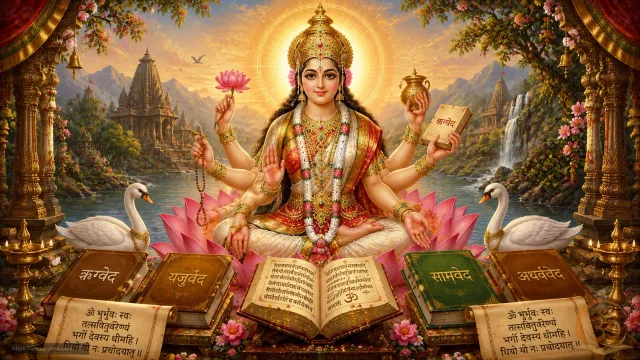
Gayatri Mantra Lyrics (ॐ भूर्भुवः स्वः) in Sanskrit, Hindi & English Meaning with Benefits
🕉️
शास्त्र-सम्मत • Shastric Verification
Drik Ganit Ephemeris Review
Classical Text Collation
OneSanatan Vidvat Parishad & Shastra Editorial Council (विद्वत् परिषद्)
Curated and cross-verified by traditional Sanskrit acharyas, Drik Ganit astronomical researchers, and Puranic editors. Every stotra, shloka, and festival calculation is reviewed against canonical classical editions — including Gita Press and Chaukhamba Sanskrit Sansthan — to safeguard textual fidelity, metric rhythm (Chhandas), and spiritual authenticity.