Sacred Earth Mother
Dual-Voice
Prithvi Sama Gana Lyrics (Full) with Meaning in Hindi & English for Grounding & Stability
Explore the full lyrics of Prithvi Sama Gana with Hindi and English meaning. Listen to the audio and understand every line for easy devotion and daily chanting.
Prithvi Sama Gana
Earth Mother
Grounding Energy
Mother Earth
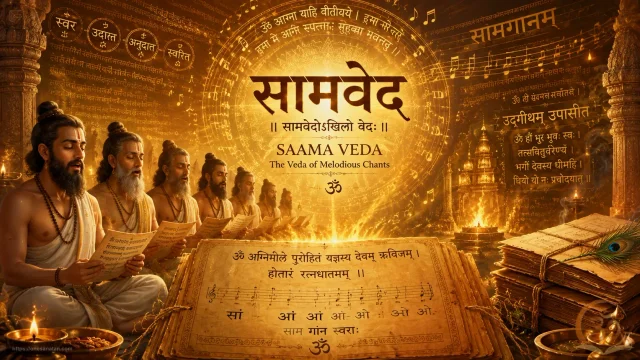
Sama Veda
ॐ
हिन्दी सारांश
पृथ्वी साम गान पृथ्वी नो माता (पृथ्वी हमारी माता है) गायत्री धरणी साम गान (धरणी की गायत्री साम संगीत) से स्तुति करता है। ध्रुवा नो भूमिः भवतु (हमारी भूमि स्थिर हो) स्थिरा सा (वह दृढ़ हो) की प्रार्थना करते हुए यस्या वयं भूम्याः पुत्राः स्याम (हम सभी इस भूमि की संतानें हैं) सा नो मातेव (वह हमारी माता की तरह) पुष्णातु सर्वदा (सदैव पालन-पोषण करे) का आशीर्वाद मांगता है।
卐
English Summary
The Prithvi Sama Gana celebrates: 'Earth is our Mother (prithvi no mata), through Gayatri Dharani Sama Gana (musical hymn to the sustaining Earth). May our land be firm (dhruva no bhumir bhavatu) and stable (sthira sa). We who are children of this Earth (yasya vayam bhumyah putrah syam), may she nourish us always like a mother (sa no mateva pushnaatu sarvada).' This creates deep connection with Earth's nurturing energy.
Detailed Spiritual Essence
In हिन्दी & English
Detailed Spiritual Essence
OneSanatan.com के इस विशेष आध्यात्मिक आलेख में आपका स्वागत है, जहाँ हम पृथ्वी को समर्पित प्राचीन वैदिक मंत्र पृथ्वी साम गान के गहरे आध्यात्मिक सार पर विचार कर रहे हैं। सनातन धर्म की पवित्र मौखिक परंपराओं में निहित, इस गान को उन प्राचीन ऋषियों और द्रष्टाओं को समर्पित माना जाता है जिन्होंने अस्तित्व को संचालित करने वाली ब्रह्मीय आवृत्तियों को अनुभव किया था। ऐतिहासिक रूप से वैदिक काल से उत्पन्न, यह रचना सामवेद की समृद्ध थाती का हिस्सा है, जो ऋग्वेद के छंदबद्ध सूक्तों को संगीतमय मंत्रों में रूपांतरित करने के लिए जानी जाती है। इस विशेष श्लोक का ग्रंथीय स्रोत प्रकृति के साथ मानवता के पवित्र संबंध से जुड़े सार्वभौमिक विषयों से गहराई से जुड़ा हुआ है, जिसे बाद में गुरु-शिष्य परंपरा के माध्यम से पीढ़ियों तक सावधानीपूर्वक संरक्षित किया गया है।
साहित्यिक दृष्टिकोण से, यह पाठ सामवेद की विशेषता वाले पारंपरिक वैदिक छंदों में रचित है, जो मात्र पाठ के बजाय संगीतमय उच्चारण के लिए डिज़ाइन किए गए एक गीतात्मक गान के रूप में प्रकट होता है। इसकी मूल भाषा वैदिक संस्कृत है, जो एक प्राचीन धार्मिक भाषा है जहाँ प्रत्येक शब्दांश एक सटीक कंपन आवृत्ति और स्वर संबंधी प्रतिध्वनि को वहन करता है। यह गान इस भावपूर्ण पंक्ति से प्रारंभ होता है: "पृथ्वी नो माता गायत्री धरणी साम गान / ध्रुवा नो भूमिर्भवतु स्थिरा सा / यस्या वयं भूम्याः पुत्राः स्याम / सा नो मातेव पुष्णातु सर्वदा"। यह भाषाई संरचना संतुलन, स्थिरता और लयबद्ध प्रवाह पर जोर देती है, जो सामवेद के मंत्रों को अन्य वैदिक ग्रंथों से अलग करने वाली संगीतात्मकता का प्रतीक है।
पारंपरिक पठन संदर्भ के अनुसार, पृथ्वी साम गान का उच्चारण आदर्श रूप से प्रातःकाल के शांत घंटों में या पर्यावरणीय सद्भाव को समर्पित पवित्र अनुष्ठानों, जैसे कि भूमि पूजन और कृषि उत्सवों के दौरान किया जाता है। जबकि सामवेद के गान विस्तृत वैदिक यज्ञों का अभिन्न अंग हैं, पृथ्वी पर यह विशिष्ट ध्यान स्थिरता और ठहराव चाहने वाले गृहस्थों द्वारा प्रतिदिन किया जा सकता है। इसे अक्सर पूर्व दिशा की ओर मुख करके सुबह की ध्यान साधना में शामिल किया जाता है, जो साधक की आंतरिक ऊर्जा को पृथ्वी के दृढ़ और पोषण करने वाले गुणों के साथ संरेखित करता है, जिससे दैनिक कर्तव्यों में संलग्न होने से पहले मन शांत और केंद्रित रहता है।
आध्यात्मिक रूप से, यह गान मानसिक स्थिरता, आधार और मातृ पोषण के लिए एक शक्तिशाली आह्वान के रूप में कार्य करता है। पृथ्वी को माता के रूप में संबोधित करके और स्वयं को उनकी संतान (पुत्र) के रूप में स्वीकार करके, यह गान पारिस्थितिक विनम्रता और परस्पर connectedness की गहरी भावना को विकसित करता है। पारंपरिक टीकाकार और वैदिक आचार्य इस बात पर जोर देते हैं कि पृथ्वी की दृढ़ता का ध्यान करने से अशांत मन को शांत करने, भटकते हुए विचारों को स्थिर करने और चिंता को दूर करने में मदद मिलती है। यह साधक को प्रकृति द्वारा प्रदान की जाने वाली शाश्वत सहायता प्रणाली की याद दिलाता है, प्राकृतिक नियमों के साथ सामंजस्य बिठाकर जीवन जीने को प्रोत्साहित करता है।
इस श्लोक का संपादकीय सत्यापन गीता प्रेस और चौखम्भा संस्कृत सीरीज ऑफिस जैसे प्रतिष्ठित पारंपरिक संस्थानों द्वारा प्रकाशित मानक वैदिक साहित्य में पाए जाने वाले पारंपरिक संकलनों के अनुरूप है, जहाँ सामवेद के मंत्रों और संबंधित पृथ्वी-आह्वानों को संरक्षित किया गया है। ये प्रामाणिक ग्रंथ सटीक पाठ के लिए आवश्यक पारंपरिक स्वरों और पाठगत अखंडता को बनाए रखते हैं। इन सत्यापित संस्करणों का संदर्भ लेने वाले विद्वान और साधक संचरण की पवित्रता पर भरोसा कर सकते हैं, जिससे यह सुनिश्चित होता है कि मूल वैदिक पाठ की आध्यात्मिक शक्ति सही उच्चारण और सम्मानजनक अध्ययन के माध्यम से अक्षुण्ण बनी रहे।
संक्षेप में, पृथ्वी साम गान एक उत्कृष्ट आध्यात्मिक प्रस्तुति है जो पृथ्वी की भौतिक वास्तविकता को वैदिक संगीत और भक्ति के पारलौकिक क्षेत्रों से जोड़ती है। इसका पाठ-विशिष्ट संदेश स्पष्ट है: सभी जीवन का पोषण करने वाली मातृ कृपा का सम्मान करते हुए इस ग्रह की अडिग स्थिरता को प्राप्त करना। OneSanatan.com पर आने वाले आधुनिक साधक के लिए, इस गान से जुड़ना तेज-तर्रार दुनिया में एक ध्यानमग्न आश्रय प्रदान करता है, जो हमें रुकने, कृतज्ञता में खुद को जड़ जमाने और अपने भीतर तथा चारों ओर धड़क रही पृथ्वी की पवित्र स्पंदन को पहचानने के लिए आमंत्रित करता है।
Welcome to OneSanatan.com as we explore the profound spiritual essence of the Prithvi Sama Gana, an ancient Vedic hymn dedicated to the earth. Rooted in the sacred oral traditions of Sanatan Dharma, this chant is traditionally attributed to the ancient rishis and seers who perceived the cosmic frequencies governing existence. Historically originating from the Vedic period, this composition forms part of the rich tapestry of the Sama Veda, which is renowned for transforming the metrical hymns of the Rig Veda into musical chants. The scriptural source of this particular verse resonates deeply with the universal themes found in Vedic literature concerning humanity's sacred relationship with nature, later being preserved meticulously across generations through the guru-shishya parampara.
From a literary perspective, the text is composed in classical Vedic metres characteristic of the Sama Veda, manifesting as a lyrical chant designed for musical intonation rather than mere recitation. The original language is Vedic Sanskrit, an ancient liturgical tongue where every syllable carries a precise vibrational frequency and phonetic resonance. The hymn opens with the evocative verse: "Prithvi no mata gayatri dharani sama gana / dhruva no bhumirbhavatu sthira sa / yasya vayam bhumyah putrah syam / sa no mateva pushnatu sarvada". This linguistic structure emphasizes balance, stability, and rhythmic flow, embodying the musicality that distinguishes the chants of the Sama Veda from other Vedic texts.
In terms of traditional recitation context, the Prithvi Sama Gana is ideally chanted during the quiet hours of early morning or during sacred rituals dedicated to environmental harmony, such as Bhumi Puja and agricultural observances. While the Sama Veda chants are integral to elaborate Vedic sacrifices, this specific meditation on the earth can be practiced daily by householders seeking grounding and stability. It is often incorporated into morning meditation routines facing east, aligning the practitioner's inner energy with the steadfast and nurturing qualities of the earth, thereby fostering a calm and centered state of mind before engaging in daily duties.
Spiritually, this hymn serves as a powerful invocation for grounding, stability, and maternal nourishment. By addressing the earth as mother (mata) and acknowledging ourselves as her children (putrah), the chant cultivates a deep sense of ecological humility and interconnectedness. Traditional commentators and Vedic acharyas emphasize that meditating upon the steadfastness of the earth helps pacify the restless mind, anchoring wandering thoughts and alleviating anxiety. It reminds the seeker of the eternal support system provided by nature, encouraging a life lived in harmony with natural laws and fostering a profound sense of inner security rooted in divine creation.
Editorial verification of this verse aligns with traditional compilations found in standard Vedic literature published by esteemed traditional institutions such as Gita Press and Chaukhamba Sanskrit Series Office, where the hymns of the Sama Veda and associated earth invocations are preserved. These authentic texts maintain the traditional accents and textual integrity necessary for accurate rendering. Scholars and practitioners referencing these verified editions can trust the purity of the transmission, ensuring that the spiritual potency of the original Vedic recitation remains undiminished through correct pronunciation and respectful study.
In summary, the Prithvi Sama Gana is a sublime spiritual offering that bridges the physical reality of the earth with the transcendent realms of Vedic music and devotion. Its text-specific message is clear: to seek the unshakeable stability of the planet while honoring the maternal grace that sustains all life. For the modern seeker visiting OneSanatan.com, engaging with this chant offers a meditative anchor in a fast-paced world, inviting us to pause, root ourselves in gratitude, and recognize the sacred pulse of the earth beating within and all around us.
Divine Chanting
Prithvi Sama Gana - AI Voice
Sacred AI Recitation
Premium Devotional Experience
ॐ
Sacred Script
ध्रुवा नो भूमिर्भवतु स्थिरा सा
यस्या वयं भूम्याः पुत्राः स्याम
सा नो मातेव पुष्णातु सर्वदा॥
Spiritual Guidance
What is the origin and who is the composer associated with the Prithvi Sama Gana?
The Prithvi Sama Gana originates from the sacred Sama Veda, which is one of the four foundational texts of ancient Vedic Hinduism. While the Vedic hymns are traditionally considered apaurasheya (not authored by a human), they were channeled and systematized by ancient rishis (seers) who heard the cosmic vibrations. This specific chant is dedicated to Prithvi (Mother Earth), invoking her stabilizing energy as preserved in the Sama Vedic musical tradition.
What is the best time and setting to recite the Prithvi Sama Gana?
The most auspicious time to recite the Prithvi Sama Gana is during Brahma Muhurta (about 90 minutes before sunrise) or at dusk during Sandhyavandanam. Practicing it in the morning helps anchor your energy for the day ahead, while evening recitation aids in releasing accumulated mental fatigue. For optimal grounding, sit comfortably with a straight spine on a natural fiber mat or directly on the earth, facing east or north.
What spiritual and psychological benefits does this mantra offer according to classical texts?
Rooted in the Vedic tradition of Bhumi Sukta principles, the Prithvi Sama Gana instills profound stability, inner strength, and emotional resilience. Classical texts suggest that meditating on Earth's grounding frequency pacifies a restless mind and balances the Muladhara (Root) chakra. By harmonizing our inner rhythm with the earth's steadfast nature, practitioners cultivate unwavering patience and a deep sense of security.
How can beginners with no background in Vedic chanting start practicing this Gana?
Beginners should start by listening to authentic audio recordings on OneSanatan.com to absorb the correct cadence, pitch, and pronunciation of the Sama Vedic notes. Do not force perfection initially; instead, chant softly along with the recording, focusing on steady abdominal breathing. Consistency and respectful intent are far more important in Vedic traditions than immediate mastery of complex musical intonations.
Are there regional variations in how the Prithvi Sama Gana is chanted across India?
Yes, due to the oral transmission of the Vedas through various Shakhas (branches), slight regional variations exist in the intonation (Svara) and musical phrasing of Sama Gana. For instance, the way notes are modulated may differ slightly between traditions preserved in Southern India versus Northern India. However, the core vibrational essence and the Sanskrit text remain fundamentally consistent across all authentic lineages.
Explore More Divine Text
Related Prayers

2 Voices
shuddhikaran mantra lyrics
Shuddhikaran Mantra Lyrics with Hindi & English Meaning – शुद्धिकरण मंत्र, Purity, Protection & Benefits
2 Voices
swasti na indro mantra lyrics
Swasti Na Indro Mantra Lyrics (ॐ स्वस्ति न इन्द्रो) – Meaning, Translation & Benefits

2 Voices
bhojan mantra lyrics
Bhojan Mantra (Brahmarpanam) Lyrics with Hindi & English Meaning – भोजन मंत्र, Gratitude & Mindful Eating

2 Voices
gayatri mantra lyrics
Gayatri Mantra Lyrics (ॐ भूर्भुवः स्वः) in Sanskrit, Hindi & English Meaning with Benefits
🕉️
शास्त्र-सम्मत • Shastric Verification
Drik Ganit Ephemeris Review
Classical Text Collation
OneSanatan Vidvat Parishad & Shastra Editorial Council (विद्वत् परिषद्)
Curated and cross-verified by traditional Sanskrit acharyas, Drik Ganit astronomical researchers, and Puranic editors. Every stotra, shloka, and festival calculation is reviewed against canonical classical editions — including Gita Press and Chaukhamba Sanskrit Sansthan — to safeguard textual fidelity, metric rhythm (Chhandas), and spiritual authenticity.