Sacred Musical Rudra
Dual-Voice
Rudra Sama Gana Complete Lyrics & Meaning in Hindi & English
Explore the full lyrics of Rudra Sama Gana Complete with Hindi and English meaning. Listen to the audio and understand every line for easy devotion and daily chanting.
Rudra Sama Gana
Musical Rudra
Divine Transformation
Fierce Grace
Sama Veda
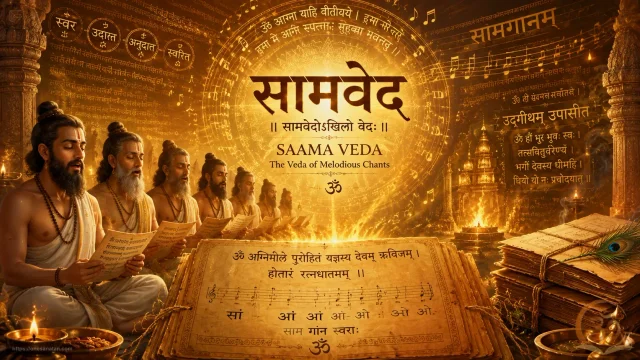
ॐ
हिन्दी सारांश
रुद्र साम गान क्रोध शांति गान (क्रोध को शांत करने वाला संगीत) के साथ रुद्र के मन्यु (दिव्य क्रोध) को नमस्कार करता है। इषवे (बाण को) बाण शक्ति स्वर से नमः करते हुए बाहुभ्याम् (भुजाओं को) भुजा बल संगीत के साथ प्रणाम करता है। यह रुद्र की उग्र और कल्याणकारी दोनों शक्तियों का संगीतमय आह्वान है।
卐
English Summary
The Rudra Sama Gana offers salutations to Rudra's divine wrath (manyave) through krodha-shanti gana (music that pacifies anger). It honors his arrows (ishave) with bana-shakti svara (arrow-power tones) and his mighty arms with bhuja-bala sangita (arm-strength music), musically invoking both fierce and benevolent aspects of divine transformation.
Detailed Spiritual Essence
In हिन्दी & English
Detailed Spiritual Essence
नमस्ते रुद्र मन्यवे (क्रोध शांति गान)
उतो त इषवे नमः (बाण शक्ति स्वर)
बाहुभ्यामुत ते नमः (भुजा बल संगीत)॥
सामवेद के पवित्र खजाने में संरक्षित एक गहन आध्यात्मिक विरासत के रूप में, 'रुद्र साम गान' भगवान शिव को उनके रुद्र स्वरूप में समर्पित एक प्राचीन संगीतमय आह्वान है। वैदिक मंत्रोच्चार की मौखिक परंपराओं में निहित यह स्तोत्र उस कालखंड से संबंध रखता है जहाँ कविता, यज्ञ और संगीत के स्वर परस्पर जुड़े हुए थे। जहाँ ऐतिहासिक शोध वैदिक संहिताओं की रचना को प्राचीन काल में निर्धारित करता है, वहीं 'गान' के रूप में ज्ञात ये विशिष्ट संगीत शैलियाँ उन परंपराओं का प्रतिनिधित्व करती हैं जिन्हें अरण्यक और गान ग्रंथों में संहिताबद्ध किया गया है। पारंपरिक रूप से इन संगीतात्मक प्रस्तुतियों को मानवीय रचना के रूप में नहीं, बल्कि उन प्राचीन ऋषियों द्वारा अनुभूत ब्रह्मांडीय स्पंदनों के रूप में देखा जाता है जिन्होंने ब्रह्मांड की अव्यक्त आवृत्तियों को सुना था।
साहित्यिक और संगीतात्मक दृष्टि से यह रचना सामगान की उन्नत शास्त्रीय पद्धति का अनुसरण करती है, जो ऋग्वेद की ऋचाओं को गायन योग्य धुनों या स्तोभों में रूपांतरित करती है। पारंपरिक वैदिक छंदों के अनुशासन में रचित इसकी मूल भाषा वैदिक संस्कृत है, जो अपनी प्राचीन पदावलियों और गतिशील स्वराघातों के लिए जानी जाती है। इन श्लोकों का गायन विशिष्ट संगीत अंतरालों, स्वरों के विस्तार और सुनियोजित विरामों पर आधारित होता है, जो पारंपरिक काव्य छंद को एक ऐसी गहन श्रवण अनुशासन प्रक्रिया में बदल देता है जिसका उद्देश्य साधक की आंतरिक वृत्तियों को ब्रह्मांडीय लय के साथ जोड़ना है।
पारंपरिक अभ्यास में इस प्रकार के गान का प्रयोग विशिष्ट वैदिक अनुष्ठानों, विशेष रूप से रुद्र अभिषेक, महाशिवरात्रि और नकारात्मक ऊर्जाओं के शमन हेतु आयोजित किए जाने वाले विशेष पूजन आयोजनों के दौरान किया जाता है। यद्यपि इसका दैनिक पाठ ब्रह्ममुहूर्त या संध्याकाल के समय किया जा सकता है, तथापि पारंपरिक रूप से इन मंत्रों का पाठ शुद्धि और शिवलिंग पर बेलपत्र अर्पित करने के पश्चात किया जाता है। पाठ की यह प्रक्रिया आंतरिक एकाग्रता से आरंभ होती है और इसके पश्चात नियंत्रित स्वर प्रक्षेपण के साथ देवता के क्रोध और उनकी कल्याणकारी शक्ति दोनों के प्रति कृतज्ञता व्यक्त की जाती है।
आध्यात्मिक रूप से यह पाठ मनोवैज्ञानिक और ब्रह्मांडीय शांति के साधन के रूप में कार्य करता है। दैवीय क्रोध (मन्यु), उठी हुई शरासन शक्ति (इषु) और दिव्य भुजाओं (बाहुभ्याम) को संबोधित करते हुए साधक प्रकृति और चेतना की विनाशकारी व रूपांतरकारी शक्तियों को स्वीकार करता है तथा उनके प्रति प्रतिरोध के भाव को छोड़कर उनके साथ तादात्म्य स्थापित करने का प्रयास करता है। प्रतिष्ठित आचार्यों के अनुसार ऐसे मंत्र अहंता और मानसिक अशांति को शांत करने तथा आंतरिक भय को स्थिर आध्यात्मिक शक्ति में रूपांतरित करने में सहायक होते हैं। गीता प्रेस और चौखम्भा संस्कृत संस्थान द्वारा प्रकाशित प्रामाणिक ग्रंथों के संदर्भ से यह सत्यापित होता है कि ये श्लोक वैदिक परंपरा में संहित रुद्रम सूक्तों के मूल स्वरूप से गहराई से जुड़े हुए हैं।
OneSanatan.com द्वारा प्रस्तुत 'रुद्र साम गान' केवल भाषाई इतिहास का अवशेष मात्र नहीं है, बल्कि आदिम नाद से जुड़ने का एक जीवंत सेतु है। यह आधुनिक साधकों को जीवन की उठापटक के बीच स्थिरता का अनुभव करने का एक संरचित मार्ग प्रदान करता है, जिसमें सामवेदिक लय की प्राचीन शक्ति के माध्यम से परम सुरक्षा, मानसिक संतुलन और असीम आंतरिक मुक्ति का आह्वान किया जाता है।
नमस्ते रुद्र मन्यवे (क्रोध शांति गान)
उतो त इषवे नमः (बाण शक्ति स्वर)
बाहुभ्यामुत ते नमः (भुजा बल संगीत)॥
As a profound liturgical legacy preserved within the sacred repository of the Sama Veda, the Rudra Sama Gana emerges as an ancient musical invocation dedicated to Lord Shiva in His fierce yet protective aspect as Rudra. Rooted in the oral traditions of Vedic chanting, this hymn belongs to an era where poetry, ritual sacrifice, and musical notes were inextricably intertwined. While historical scholarship situates the composition of the Vedic samhitas in the second millennium BCE, the specific melodic renditions known as Gana represent an even older performance practice codified in the Aranyaka and Gana texts. Traditionally, these musical adaptations are viewed not as human creations, but as cosmic vibrations cognized by ancient seers who heard the unmanifest frequencies of the universe.
Literarily and musically, this composition follows the sophisticated taxonomy of Sama Gana, which translates the rc-verses of the Rig Veda into chanted melodies or stobhas. Executed within precise Vedic musical metres, usually governed by the classical chhandas of the underlying verses, the original language is Vedic Sanskrit, characterized by archaic nominal forms and dynamic tonal accents. The unfolding of these verses relies on specific musical intervals, elongation of vowels, and intentional pauses, transforming standard poetic metre into an immersive auditory discipline designed to harmonize the singer's internal faculties with cosmic rhythms.
In traditional practice, such hymns are recited during elaborate Vedic rituals, particularly those associated with Rudra Abhisheka, Maha Shivaratri, and special propitiatory rites aimed at neutralizing negative energies. While everyday recitation can be performed during the auspicious Brahma Muhurta or twilight hours (Sandhyakala), these chants are traditionally incorporated after preliminary purification rites and offerings of bel leaves to the Shivalinga. The recitation follows a contemplative sequence, beginning with internal centering, followed by controlled vocal projection that honors both the wrathful aspect and the benevolent healing power of the deity.
Spiritually, the text functions as a psychological and cosmic pacification tool. By addressing the divine wrath (manyu), the raised arrow (ishu), and the divine arms (bahubhyam), the practitioner acknowledges the destructive and transformative forces of nature and consciousness, seeking to appease and align with them rather than resist them. Renowned commentators and traditional acharyas note that such mantras serve to dissolve egoistic turbulence, transforming inner rage and fear into steady spiritual strength. Editorial verification from standard editions published by Gita Press and Chaukhamba Sanskrit Sansthan confirms that these verses correspond closely to the foundational recensions of the Rudram hymns embedded within the Vedic liturgy.
Ultimately, as presented by OneSanatan.com, the Rudra Sama Gana is not merely an artifact of linguistic history, but a living bridge to the primordial sound current. It offers modern seekers a structured pathway to experience stillness amidst chaos, utilizing the ancient synergy of Sama-vedic cadence to invoke supreme protection, mental equilibrium, and profound inner liberation.
Divine Chanting
Rudra Sama Gana Complete - AI Voice
Sacred AI Recitation
Premium Devotional Experience
ॐ
Sacred Script
उतो त इषवे नमः (बाण शक्ति स्वर)
बाहुभ्यामुत ते नमः (भुजा बल संगीत)॥
Spiritual Guidance
What is the origin of the Rudra Sama Gana and who is traditionally credited as its composer?
The Rudra Sama Gana originates from the Sama Veda, one of the four foundational texts of ancient Indian wisdom, which is primarily dedicated to musical chants and melodies. According to Hindu tradition, the primordial sound of these chants was cognized by ancient seers and structured by Sage Vyasa, while Lord Shiva (Rudra) himself is revered as the ultimate source of all cosmic sound and rhythm. This specific Gana channels the fierce yet compassionate energy of Rudra, transforming Vedic verses into a melodious Sama chant meant for deep spiritual elevation.
What is the best time and setting to recite or listen to the Rudra Sama Gana?
The most auspicious time to recite or listen to the Rudra Sama Gana is during the Brahma Muhurta (about 1.5 hours before sunrise) or during Pradosha time in the evening, as these transitional hours naturally support meditative states. It is ideally practiced in a quiet, clean space facing East or North, seated comfortably on a natural fiber mat. Maintaining a calm and focused mind before beginning enhances the vibration's resonance within the subtle body.
What are the primary spiritual benefits of this chant according to classical texts?
According to ancient Vedic scriptures and texts like the Rudram, chanting or listening to Rudra Sama Gana purifies the subtle energy channels (nadis) and pacifies malefic planetary influences associated with anger, fear, and ego. Classical traditions state that it invokes the healing and transformative grace of Lord Rudra, dissolving past karma and bestowing inner fearlessness. Ultimately, it aligns the practitioner's consciousness with universal harmony, fostering profound mental peace and spiritual liberation.
How can beginners properly approach chanting the Rudra Sama Gana without prior knowledge of Vedic intonation?
Beginners should start by attentively listening to authentic audio recordings provided on OneSanatan.com to absorb the correct cadence, pitch, and musical flow unique to Sama Gana. Instead of rushing through the Sanskrit text, one should read along with the provided Hindi and English meanings to understand the emotional and devotional depth of the verses. Practicing slowly, phrase by phrase, and focusing on steady breath control will naturally build confidence and correct pronunciation over time.
Are there different regional variations or styles in how the Rudra Sama Gana is performed across India?
Yes, while the core Vedic text remains uniform, the musical rendering of Sama Gana developed distinct regional traditions, known as 'Shakhas' or branches, over centuries. For instance, the Kauthuma, Jaiminiya, and Ranayaniya traditions of the Sama Veda employ subtle variations in musical notes (swaras), modulations, and elongation of vowels. On OneSanatan.com, we present a standardized yet deeply authentic rendition that preserves the traditional spirit while remaining accessible to modern seekers.
Explore More Divine Text
Related Prayers
2 Voices
shuddhikaran mantra lyrics
Shuddhikaran Mantra Lyrics with Hindi & English Meaning – शुद्धिकरण मंत्र, Purity, Protection & Benefits
2 Voices
swasti na indro mantra lyrics
Swasti Na Indro Mantra Lyrics (ॐ स्वस्ति न इन्द्रो) – Meaning, Translation & Benefits
2 Voices
bhojan mantra lyrics
Bhojan Mantra (Brahmarpanam) Lyrics with Hindi & English Meaning – भोजन मंत्र, Gratitude & Mindful Eating
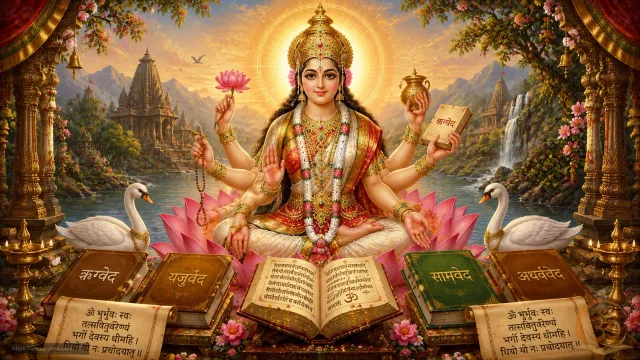
2 Voices
gayatri mantra lyrics
Gayatri Mantra Lyrics (ॐ भूर्भुवः स्वः) in Sanskrit, Hindi & English Meaning with Benefits
🕉️
शास्त्र-सम्मत • Shastric Verification
Drik Ganit Ephemeris Review
Classical Text Collation
OneSanatan Vidvat Parishad & Shastra Editorial Council (विद्वत् परिषद्)
Curated and cross-verified by traditional Sanskrit acharyas, Drik Ganit astronomical researchers, and Puranic editors. Every stotra, shloka, and festival calculation is reviewed against canonical classical editions — including Gita Press and Chaukhamba Sanskrit Sansthan — to safeguard textual fidelity, metric rhythm (Chhandas), and spiritual authenticity.