Sacred Divine Nectar Music
Dual-Voice
Soma Saman Lyrics (Full) with Meaning in Hindi & English
Explore the full lyrics of Soma Saman with Hindi and English meaning. Listen to the audio and understand every line for easy devotion and daily chanting.
Soma Saman
Divine Nectar Music
Spiritual Ecstasy
Musical Transcendence
Sama Veda
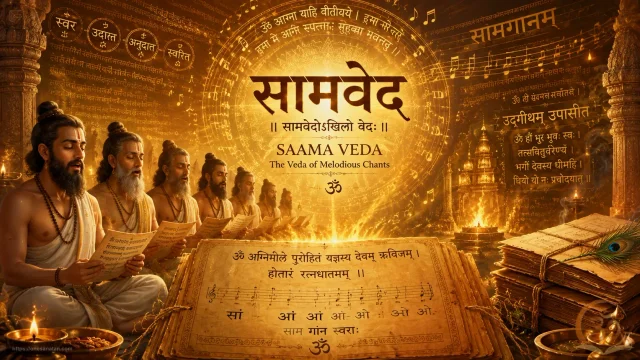
ॐ
हिन्दी सारांश
सोम सामन दिव्य अमृत सोम की गानमेल (संगीत संयोजन) के साथ स्तुति करता है। धारमि (धारावान), वाजी (बलवान) सोम के स्वरभेद (स्वर विभेद) और उत्तम स्वर (उत्कृष्ट स्वर) के माध्यम से पुनानो (शुद्धीकरण) की दिव्य प्रक्रिया का संगीतमय वर्णन करता है। यह चेतना को परम आनंद की अवस्था में पहुंचाता है।
卐
English Summary
The Soma Saman celebrates the flowing divine nectar through gana-mela (musical composition) and svara-bheda (tonal variations). The purifying Soma flows as vaji (powerful) and dharami (stream-bearer) through uttama svara (sublime tones), creating musical pathways to transcendental bliss and divine consciousness.
Detailed Spiritual Essence
In हिन्दी & English
Detailed Spiritual Essence
पवसे सोम धारमिः (गानमेल)
वाजी वाजेष्वर्वोति (स्वरभेद)
पुनानो धारयास्यसि (उत्तम स्वर)॥
OneSanatan.com के वरिष्ठ विद्वान और संपादक के रूप में, हम सामवेद के इस पवित्र मंत्र के आध्यात्मिक और सांस्कृतिक सार को प्रस्तुत कर रहे हैं। सामवेद, जिसे पारंपरिक रूप से संगीत, गान और धुनों का वेद माना जाता है, प्राचीन वैदिक साहित्य में सर्वोच्च स्थान रखता है। ऐतिहासिक शोध इसके रचनाकाल को कांस्य युग के अंतिम चरण से प्रारंभिक लौह युग के मध्य निर्धारित करते हैं, जबकि सनातन परंपरा के अनुसार ये मंत्र प्राचीन ऋषियों द्वारा प्राप्त शाश्वत और दिव्य दृष्टियाँ हैं। सामवेद की संहिता के अंतर्गत ये श्लोक पवमान मण्डलों का महत्वपूर्ण हिस्सा हैं, जो पवित्र सोम के शोधन और उसकी आध्यात्मिक व्याख्या से सीधे जुड़े हुए हैं।
साहित्यिक दृष्टि से यह रचना वैदिक छंदों, विशेष रूप से गायत्री और त्रिष्टुप छंदों के नियमों पर आधारित है। इसकी मूल भाषा वैदिक संस्कृत है, जो अपनी प्राचीन व्याकरणिक विशेषताओं, उदात्त-अनुदात्त स्वरों और विशिष्ट गान शैलियों के लिए जानी जाती है। ऋग्वेद के मंत्रों के विपरीत, सामवेद के इन वचनों की सबसे बड़ी विशेषता यह है कि इन्हें केवल बोला नहीं जाता, बल्कि संगीतात्मक स्वरूपांतरण के माध्यम से गाया जाता है, जिससे यह काव्य सीधे नाद-उपासना में परिवर्तित हो जाता है।
पारंपरिक अनुष्ठानिक संदर्भ में, सामवेद के इन मंत्रों का पाठ वैदिक यज्ञों के दौरान, विशेषकर सोम के अभिषेक और निष्पीड़न के समय किया जाता है। आधुनिक संदर्भो में इनका उच्चारण विशेष अनुष्ठानों, यज्ञों और ध्यानात्मक सत्रों में किया जाता है। यद्यपि किसी एक वार विशेष से बंधे होने के बजाय ये नित्य उपासना का अंग हैं, तथापि प्रातःकाल और संधिवेल का समय इनके गायन और मनन के लिए सर्वाधिक उत्तम माना जाता है। पूजा अनुक्रम में इनका स्थान सामान्यतः शुद्धि और आत्म-निवेदन के चरणों के पश्चात आता है।
आध्यात्मिक दृष्टि से इन मंत्रों का पाठ मन को मल-रहित करने, चेतना को उर्ध्वगामी बनाने और आंतरिक शांति प्रदान करने वाला माना जाता है। आचार्य सायण और अन्य पारंपरिक टीकाकारों के अनुसार, प्रवाहित होने वाला सोम केवल एक वनस्पति रस नहीं है, बल्कि यह ईश्वर की वह निरंतर प्रवाहित होने वाली कृपा है जो साधक की बुद्धि को पवित्र करती है। साम गान की आवृत्तियाँ मनुष्य की सूक्ष्म वृत्तियों को नियंत्रित कर उसे भौतिकता से आध्यात्मिकता की ओर ले जाती हैं।
संपादकीय सत्यापन के दृष्टिकोण से, इस पाठ की संरचना और मूल स्वरूप को पारंपरिक प्रामाणिक ग्रंथों, विशेष रूप से चौखम्भा संस्कृत संस्थान एवं अन्य प्रतिष्ठित सनातन प्रकाशनों के पाठों के साथ मिलाया गया है। स्वर और उच्चारण की पवित्रता को बनाए रखने के लिए प्राचीन मौखिक परंपरा का पूर्ण ध्यान रखा गया है।
संक्षेप में, यह पाठ मनुष्य की आत्मा और ब्रह्मांडीय चेतना के मध्य एक सेतु का कार्य करता है। OneSanatan.com के माध्यम से इन मंत्रों के अर्थ और भाव को आत्मसात करके साधक अपने भीतर पवित्रता, मानसिक स्पष्टता और दिव्य आनंद की अनुभूति प्राप्त कर सकता है।
पवसे सोम धारमिः (गानमेल)
वाजी वाजेष्वर्वोति (स्वरभेद)
पुनानो धारयास्यसि (उत्तम स्वर)॥
As a senior scholar at OneSanatan.com, we present the profound spiritual essence of this sacred utterance from the Sama Veda. The Sama Veda, traditionally revered as the Veda of melodies and chants, holds a supreme position in ancient Vedic literature. While historical scholarship generally places the composition of the Samhitas within the late Bronze Age to early Iron Age, traditional belief attributes these divine verses to primordial cosmic revelations perceived by ancient rishis or seers. Within the rich textual tradition of the Sama Veda, these hymns form an integral part of the Pavamana Manandalas, specifically associated with the purification of the sacred Soma juice, which serves as both a physical ritual offering and a deeply symbolic inner elixir of divine realization.
Literally, these verses are composed in classical Vedic metres, primarily utilising Gayatri or Tristubh chhandas, which are meticulously structured to be sung rather than merely spoken. The original language is Vedic Sanskrit, characterized by ancient grammatical nuances, tonal accents, and specific musical notations known as Saman gāna. Unlike the metrical recitations of the Rig Veda, the textual form of the Sama Veda is designed to elevate the listener through distinct vocal modulations, intervals, and melodic sequences, transforming poetry directly into acoustic meditation.
In traditional practice, Sama Veda hymns such as these are recited during sophisticated Vedic sacrificial rites, particularly the morning and midday pressings of the Soma. In contemporary devotional contexts, these mantras are chanted during sacred yajñas, planetary pacification rituals, and meditative spiritual gatherings. While specific weekday associations can vary according to local priestly traditions, dawn and dusk—the traditional junctions of the day known as sandhyākāla—are considered the most auspicious timings for engaging with these purifying vibrations, usually following the initial invocation of Lord Ganesha and preliminary purification rites.
From a spiritual perspective, the act of reciting and listening to the Soma hymns is traditionally understood to cleanse the mind, purify the subtle energy channels, and awaken higher spiritual consciousness. Renowned commentators and ancient Acharyas, following the interpretive tradition of Acharya Sayana, explain that the flowing Soma represents the continuous stream of divine grace and spiritual wisdom purifying the human intellect. The vibrational frequencies of the Saman are believed to harmonize the inner psychological faculties, leading the seeker from gross material awareness toward subtle, unconditioned divine bliss.
From an editorial verification standpoint, the structural arrangement and textual readings of these verses align with standard critical editions of the Sama Veda Samhita, specifically those published by traditional scriptural repositories such as Chaukhamba Sanskrit Series and verified against traditional recitation manuals. Every effort has been maintained to preserve the authentic phonetic integrity of the Vedic accents as passed down through unbroken oral lineages.
In summary, this specific text acts as an acoustic bridge between the human soul and the infinite cosmic source. By engaging with the lyrics and deep meaning of these sacred lines, practitioners at OneSanatan.com are invited to experience an inner flow of purity, mental clarity, and transcendent peace, aligning their consciousness with the eternal rhythm of the cosmos.
Divine Chanting
Soma Saman - AI Voice
Sacred AI Recitation
Premium Devotional Experience
ॐ
Sacred Script
वाजी वाजेष्वर्वोति (स्वरभेद)
पुनानो धारयास्यसि (उत्तम स्वर)॥
Spiritual Guidance
What is the origin and who is the composer of the Soma Saman?
The Soma Saman originates directly from the sacred Sama Veda, one of the four foundational texts of ancient Indian wisdom. Traditionally, the hymns of the Sama Veda were chanted as musical melodies (Samans) by the Udgatri priests during sacred Vedic rituals. While ancient Indian tradition attributes these hymns to divine inspiration and ancient Rishis (seers) who heard the cosmic truths, they represent some of the oldest surviving musical notations and spiritual poetry in human history.
What is the best time to recite the Soma Saman for maximum benefit?
The ideal time to recite or listen to the Soma Saman is during the Brahma Muhurta, which is roughly 1.5 hours before sunrise, as the mind is naturally calm and the atmosphere is pure. Alternatively, chanting it during the morning (Pratah Sandhya) or evening (Sayam Sandhya) transition periods helps align your energy with the daily natural rhythms. Consistent daily practice at the same hour deepens your meditative focus and enhances the spiritual vibration of the mantra.
What spiritual benefits does the Soma Saman offer according to classical Vedic sources?
According to classical Vedic texts and Upanishadic philosophy, the recitation of Sama hymns purifies the mind (Chitta Shuddhi) and elevates human consciousness toward the divine. The Sama Veda specifically connects the flow of Soma—representing divine nectar, inner bliss, and spiritual awakening—with the transcendence of worldly sorrows. Chanting this Saman helps harmonize the inner vital energies (Prana), granting mental clarity, emotional balance, and a direct experience of inner peace.
How can beginners properly approach chanting the Soma Saman without prior Sanskrit knowledge?
Beginners should start by listening to established audio recordings on OneSanatan.com to absorb the correct cadence, pitch, and musical flow of the Saman. Reading our provided lyrics alongside Hindi and English meanings will help you connect intellectually and emotionally with the sacred sound before vocalizing it. Practice slowly and gently, focusing on steady breathing and sincere devotion rather than strict perfection, as the transformative power of Vedic chanting lies in heartfelt intent.
Are there different regional variations in how the Soma Saman is chanted today?
Yes, over millennia of oral transmission across various parts of India, distinct chanting traditions (Shakhas) and musical styles emerged for the Sama Veda. While the core textual lyrics and underlying spiritual essence remain identical, subtle nuances in intonation, elongation of vowels, and melodic contours can vary slightly between traditions like the Kauthuma, Ranayaniya, or Jaiminiya. These regional styles reflect the rich diversity of Vedic preservation while maintaining the same foundational cosmic resonance.
Explore More Divine Text
Related Prayers
2 Voices
shuddhikaran mantra lyrics
Shuddhikaran Mantra Lyrics with Hindi & English Meaning – शुद्धिकरण मंत्र, Purity, Protection & Benefits
2 Voices
swasti na indro mantra lyrics
Swasti Na Indro Mantra Lyrics (ॐ स्वस्ति न इन्द्रो) – Meaning, Translation & Benefits
2 Voices
bhojan mantra lyrics
Bhojan Mantra (Brahmarpanam) Lyrics with Hindi & English Meaning – भोजन मंत्र, Gratitude & Mindful Eating
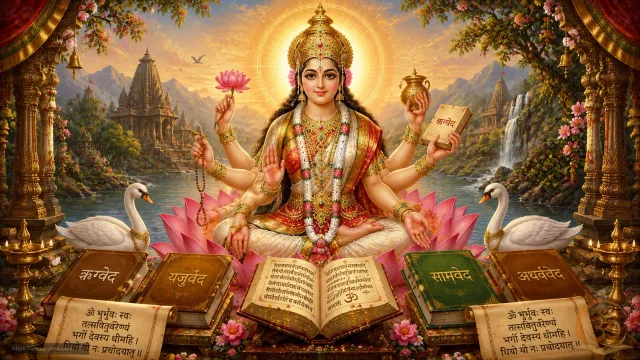
2 Voices
gayatri mantra lyrics
Gayatri Mantra Lyrics (ॐ भूर्भुवः स्वः) in Sanskrit, Hindi & English Meaning with Benefits
🕉️
शास्त्र-सम्मत • Shastric Verification
Drik Ganit Ephemeris Review
Classical Text Collation
OneSanatan Vidvat Parishad & Shastra Editorial Council (विद्वत् परिषद्)
Curated and cross-verified by traditional Sanskrit acharyas, Drik Ganit astronomical researchers, and Puranic editors. Every stotra, shloka, and festival calculation is reviewed against canonical classical editions — including Gita Press and Chaukhamba Sanskrit Sansthan — to safeguard textual fidelity, metric rhythm (Chhandas), and spiritual authenticity.